

Yellow Bird Chase at Segerstrom Center: A 2026 Family Guide!
If your kids can turn a cardboard box into a castle, a couch cushion into a pirate ship, or a mop into a heroic sidekick, Yellow Bird Chase may feel like their imagination has jumped right onto the stage. This playful, wordless theater adventure is coming to Segerstrom Center for the Arts in Costa Mesa for four performances on October 24 and 25, 2026.
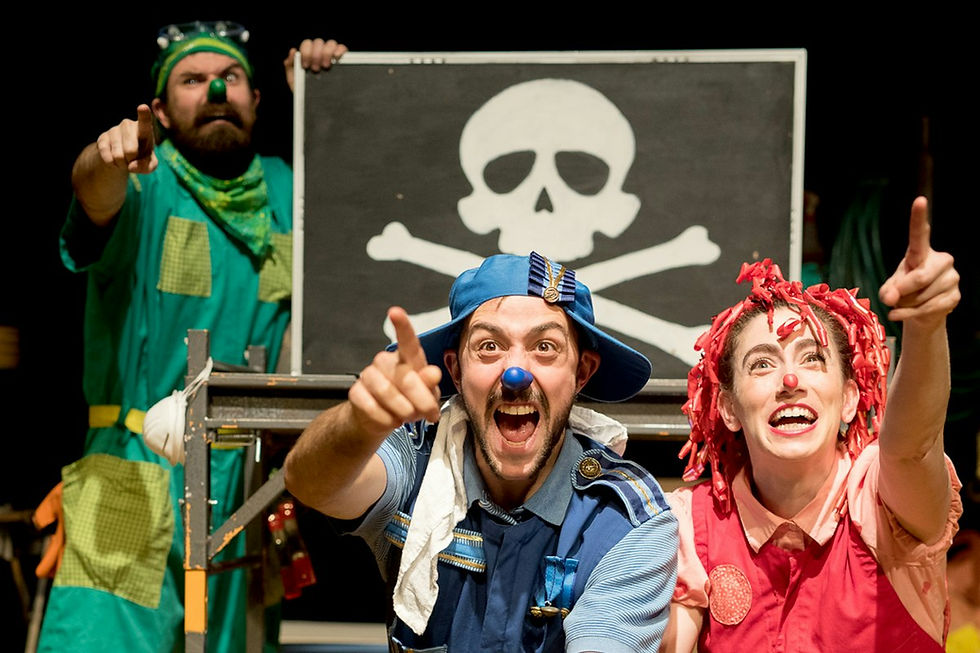
The show follows a delightfully clumsy maintenance crew that discovers a magical yellow bird. What begins in an ordinary storage room suddenly becomes an enormous chase across imaginary lands, seas, and skies. With puppetry, masks, physical comedy, expressive movement, and joyful nonsense sounds, the performers build an entire world without relying on traditional dialogue.
That makes the experience especially welcoming for young theatergoers, multilingual families, Deaf and hard-of-hearing audience members, and children who respond more easily to visual storytelling. Segerstrom recommends the public performances for ages four and older, and one Saturday performance is specifically presented in a sensory-friendly, relaxed format.
Yellow Bird Chase 2026 Quick Facts
Yellow Bird Chase at Segerstrom Center for the Arts is presented at Samueli Theater, 600 Town Center Drive, Costa Mesa, CA 92626.
Dates: Saturday, October 24, and Sunday, October 25, 2026.
Performance times: Saturday at 10:00 a.m. in a sensory-friendly, relaxed format; Saturday at 1:00 p.m.; Sunday at 1:00 p.m.; and Sunday at 3:30 p.m.
Tickets: The official ticketing page listed seats at $37 when this guide was verified on September 24, 2026. Prices, fees, and availability may change, so check current Yellow Bird Chase ticket availability before making plans.
Recommended age: Segerstrom recommends the show for ages four and older. The producing company describes the piece as appropriate for younger children as well, but parents know their own child’s attention span and comfort level best.
Runtime: Plan for approximately 50 to 60 minutes with no intermission. The sensory-friendly pre-visit guide describes a roughly one-hour experience, while the touring company lists the performance itself at about 50 minutes.
Parking: Performance parking is currently listed at $15, credit card only, and valet service is currently $30. Rates can change. The Plaza Tower Parking Structure is the closest garage for Samueli Theater.
What Is Yellow Bird Chase About?
At the center of the story are three workers surrounded by ordinary maintenance-room objects. Then a small yellow bird appears, and their quiet workday explodes into an imaginative mission. The performers chase the bird through worlds that exist only because the actors—and the audience—agree to imagine them.
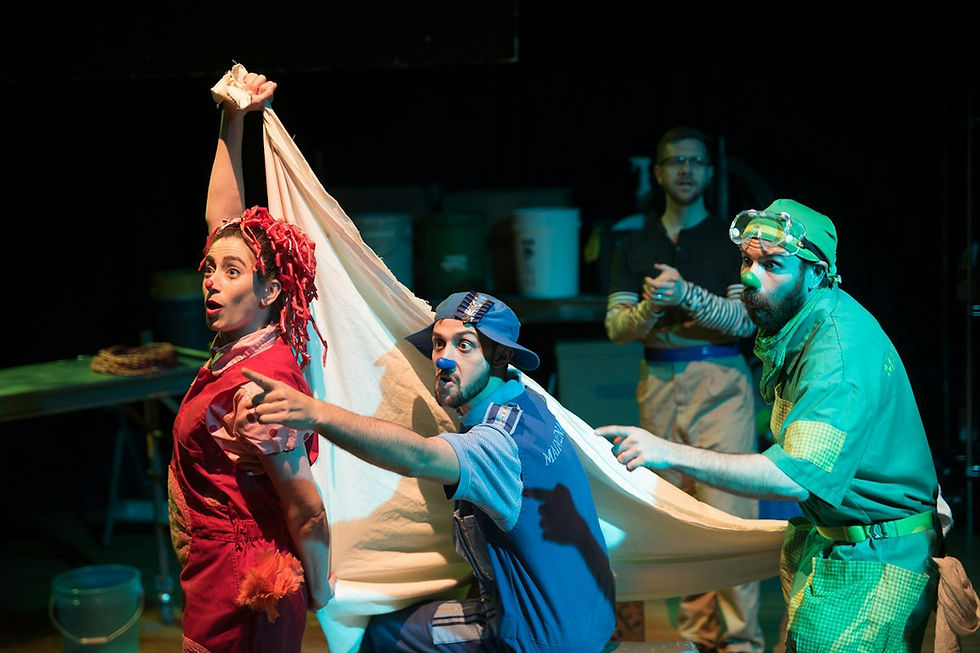
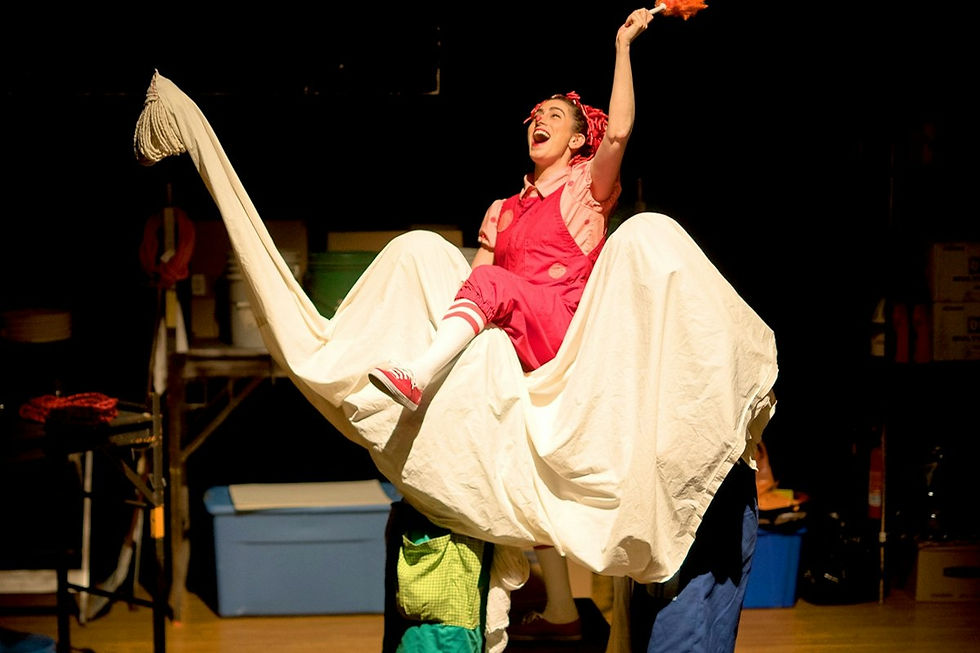
Buckets, fabric, pipes, mops, gloves, and other familiar objects become creatures, vehicles, scenery, and surprises. A storage room can feel like an ocean one moment and a faraway landscape the next. The fun is not built around expensive special effects. It comes from watching human bodies, simple props, and creative teamwork transform the space.
Because the show is wordless, children do not need to follow a complicated plot or catch every sentence. The story is carried by gestures, facial expressions, rhythm, reactions, and visual jokes. There is playful gibberish, chanting, singing, and vocal sound effects, but no language barrier standing between the audience and the adventure.
The production was created by Liars & Believers, a Boston-based theater company known for devised performances that combine movement, masks, puppetry, clowning, music, and ensemble storytelling. Yellow Bird Chase has toured widely and appeared at the Edinburgh Fringe Festival.
Why This Show Works So Well for Families
Many children’s productions ask kids to sit quietly while adults explain the story. Yellow Bird Chase takes a more playful route. Its humor is physical, its images change quickly, and the audience’s imagination is part of the performance. Kids can understand what is happening by watching the characters solve problems, make mistakes, disagree, cooperate, and try again.
The story also gives parents several easy conversation starters. Children may notice how the performers turn ordinary objects into something new. They may see the difference between competing and collaborating, or recognize how the characters recover when a plan falls apart. Those ideas can continue at home through pretend play, drawing, puppet-making, or a challenge to invent a creature from household objects.
For first-time theatergoers, the short runtime is another advantage. An hour is long enough to feel like a special outing but manageable for many preschool and elementary-age children. There is no intermission to interrupt the momentum, and the visual storytelling keeps families oriented even if a child misses a moment.
Parents bringing children with different language backgrounds may also appreciate that the show does not depend on spoken English. The comedy and emotions are communicated through movement and expression. Segerstrom specifically notes that the production is accessible to non-English speakers as well as Deaf and hard-of-hearing audience members.
The Sensory-Friendly Saturday Performance
The Saturday, October 24 performance at 10:00 a.m. is presented in a sensory-friendly, relaxed format. This option is designed for patrons who may be more comfortable with reduced sound levels, gentler lighting, room to move, and fewer traditional theater restrictions.
According to Segerstrom’s Yellow Bird Chase sensory-friendly pre-visit guide, the theater keeps some ambient light on, lowers sound effects, and allows audience members to leave and return if they need a break. Earplugs and noise-reducing headphones are available for checkout in the lobby.
The guide also walks families through moments that may involve shouting, singing, chanting, stomping, objects falling, or sudden character reactions. That advance information can help parents prepare children who like to know what is coming. It also gives families a chance to decide whether headphones, a comfort item, or a seat near an aisle would make the outing easier.
A relaxed performance does not mean the room will be silent. The actors create many of the show’s sound effects vocally, and the story still includes energetic physical comedy. The difference is that families are given more flexibility to move, vocalize, step outside, and return without feeling they are disrupting the event.
If your child benefits from visual preparation, read the pre-visit guide together a few days beforehand. Look at the performers, talk about the venue, and describe the basic story without revealing every surprise. Familiarity can reduce uncertainty while preserving the fun.
Choosing the Best Performance for Your Family
Saturday at 10:00 a.m.
Choose the sensory-friendly performance if your child prefers lower sound levels, softer lighting changes, freedom to move or speak, and easy access to a break space. A morning show can also be a good match for younger children who have more energy and patience earlier in the day.
Saturday at 1:00 p.m.
This standard matinee works well for families who want a relaxed morning before heading to Costa Mesa. Leave enough time for lunch, parking, restroom stops, and ticket scanning so your child is not rushed into the theater.
Sunday at 1:00 p.m. or 3:30 p.m.
The early Sunday performance leaves time for lunch or an afternoon activity afterward. The 3:30 p.m. show can be convenient for families driving from Los Angeles who want a slower start, but consider traffic and your child’s usual late-afternoon energy level.
What Children Can Expect Inside the Theater
The performance uses three actors who create multiple characters and environments through movement. Expect masks, puppetry, exaggerated reactions, clown-style comedy, and props that change meaning throughout the story. A simple household item may become part of a boat, an animal, a machine, or something completely unexpected.
There are moments of energetic shouting, chanting, singing, stomping, and pretend peril. Characters encounter pirates, monsters, and a sea creature, but the tone is imaginative and comic rather than realistic or frightening. Sensitive children may still appreciate a quick preview: the characters sometimes yell when they are surprised or scared, then continue the adventure.
Audience participation may occur, and the sensory guide notes moments when performers invite audience members onstage. Participation is part of the playful spirit, but children should never feel pressured. If your child prefers to watch, choosing a seat away from the most visible aisle activity may help them relax.
There is no intermission. Encourage children to use the restroom before entering, and explain that the story lasts about as long as a short family movie. For the relaxed performance, families may leave and return as needed.
Getting to Segerstrom Center and Parking
Samueli Theater is part of Segerstrom Center for the Arts at 600 Town Center Drive in Costa Mesa. Families driving from Los Angeles should check weekend traffic before leaving and follow the Center’s official parking and directions information rather than relying on a general destination pin.
Segerstrom recommends arriving about one hour before a performance. That buffer gives families time to park, walk to Samueli Theater, collect tickets if necessary, visit the restroom, and settle into seats at least ten minutes before showtime.
The closest garage for Samueli Theater is the Plaza Tower Parking Structure, located behind the concert hall and South Coast Repertory. Current performance parking is listed at $15 and is credit-card only. Valet parking is currently listed at $30 and is available on a first-come basis. The Center does not operate the garages, so rates may change.
Do not plan to leave your car at South Coast Plaza while attending the performance. Segerstrom’s visitor information says mall parking is reserved for customers who are actively shopping or dining, and vehicles may be towed. If you plan to combine the show with a meal or shopping, move the car to the appropriate theater parking structure before the performance.
Parent Tips for a Smoother Theater Day
Buy tickets early if you need a particular performance time or seating location. The show has only four public performances, and the sensory-friendly option is especially distinctive.
Talk about the wordless format before you go. Let children know that the actors communicate with movement, masks, sounds, and pretend play instead of ordinary dialogue. Giving them that simple clue can help them understand the style immediately.
Choose comfortable clothes and a light layer. Theater temperatures can feel cool even when the day outside is warm. Avoid noisy accessories or toys that could distract nearby families during a standard performance.
Bring only what your family genuinely needs. A small comfort item can be helpful for some children, particularly at the relaxed performance, but bulky bags make theater seating and restroom stops harder.
Feed children before the show and build in time for the restroom. Hunger and rushing can turn an exciting outing into a stressful one. A calm arrival gives kids time to observe the lobby and adjust to the new environment.
Afterward, ask open-ended questions instead of testing children on the plot. Try: Which object changed the most? Which character made you laugh? How did the actors show they were scared or excited without regular words? What could you turn a mop or blanket into at home?
Make It a Bigger Costa Mesa Family Day
The show’s short runtime leaves room for another low-pressure activity. Families can schedule an early meal, browse nearby shops, or simply spend time walking around the arts campus. Keep the extra plan flexible, especially with preschoolers. The performance should feel like the centerpiece of the day, not the first item in an exhausting itinerary.
If you choose the 10:00 a.m. Saturday performance, plan a snack or early lunch afterward. For the 1:00 p.m. shows, eat before parking so children are comfortable during the performance. Families attending Sunday at 3:30 p.m. may prefer an early dinner afterward rather than squeezing in another major attraction.
Traffic between Los Angeles and Orange County can vary dramatically. Check conditions before leaving and preserve the one-hour arrival cushion recommended by Segerstrom. If you arrive early, the extra time is easier to enjoy than a last-minute sprint from the garage.
Takeaway
Yellow Bird Chase offers something rare: a theater experience that feels sophisticated enough for adults while remaining visually clear, playful, and welcoming for young children. Its wordless storytelling removes language barriers, and the sensory-friendly Saturday morning performance gives families more choice in how they experience live theater.
For families seeking a creative Orange County outing, the combination of puppetry, masks, physical comedy, simple objects, and big imagination makes this an appealing first show—or a fresh change for kids who already love the stage. Just confirm ticket availability, allow time for parking, and choose the performance format that best fits your child.
Frequently Asked Questions
1. What ages is Yellow Bird Chase best for?
Segerstrom Center recommends the production for ages four and older. The producing theater company describes it as appropriate for younger children too, but the presenter’s age-four recommendation is the best planning standard. Children who enjoy visual comedy, puppets, pretend play, and fast-changing imaginative scenes are likely to connect with it.
2. Is Yellow Bird Chase really wordless?
The story does not rely on traditional spoken dialogue. Performers use physical comedy, masks, puppetry, expressions, playful gibberish, chanting, singing, and vocal sound effects. Families can follow the adventure through movement and visual storytelling, which makes it accessible to non-English speakers and many Deaf or hard-of-hearing patrons.
3. Which performance is sensory-friendly?
The Saturday, October 24 performance at 10:00 a.m. is the sensory-friendly, relaxed presentation. Sound and lighting are adjusted, some ambient light remains on, movement and vocalizing are welcomed, and families may leave and return. Segerstrom also provides a detailed pre-visit guide and offers earplugs and noise-reducing headphones in the lobby.
4. How long is the performance, and is there an intermission?
Plan for approximately 50 to 60 minutes with no intermission. The official sensory-friendly guide describes the experience as about one hour, while the touring company lists a roughly 50-minute performance. Use the restroom before entering, particularly with preschoolers.
5. How much do tickets and parking cost?
Official ticketing listed seats at $37 when checked on September 24, 2026; fees and availability may change. Segerstrom currently lists performance parking at $15, credit card only, and valet parking at $30. Confirm the latest amounts through the official ticket and parking pages before attending.

Angela Cantoni is the founder of FUN WITH KIDS IN LA®, helping Southern California families discover memorable events, attractions, and everyday adventures.


Comments